Benefits of Hiring a Garden Refuse Skip
When it comes to maintaining a tidy and aesthetically pleasing garden, the task of managing garden waste can be quite daunting for homeowners. This is where hiring a garden refuse skip becomes an invaluable solution. Not only does it streamline the process of waste disposal, but it also offers several other benefits that make it an ideal choice for anyone looking to keep their outdoor space in pristine condition.
Firstly, convenience is one of the most significant advantages of hiring a garden refuse skip. Homeowners often find themselves overwhelmed by the sheer volume of garden waste that accumulates after routine maintenance tasks such as pruning, mowing, and weeding. By opting for a skip hire service, you can easily dispose of large quantities of green waste without multiple trips to the local landfill (a tiresome and time-consuming endeavor). This convenience allows homeowners to focus more on enjoying their gardens rather than worrying about how to get rid of unwanted debris.
Another notable benefit is the environmental impact. Many reputable skip hire companies prioritize eco-friendly practices by ensuring that collected waste is disposed of responsibly. They often segregate materials and recycle wherever possible, which significantly reduces the carbon footprint associated with traditional disposal methods. By choosing a skip hire service dedicated to sustainability, you contribute positively to environmental conservation efforts-a small but meaningful step towards greener living!
Cost-effectiveness is yet another advantage that cannot be overlooked. While some may initially perceive skip hire as an unnecessary expense, it often proves more economical in the long run. Consider the costs associated with multiple trips to dispose of waste yourself-fuel expenses, potential vehicle wear and tear (not to mention your valuable time!). Hiring a skip simplifies this process into a single cost-effective transaction.
Furthermore, safety is improved when using a designated skip for garden refuse management. Piling up garden debris in uncontrolled areas around your property can pose hazards such as attracting pests or becoming breeding grounds for insects. A skip provides a contained space for all your waste, reducing these risks significantly.
In conclusion, hiring a garden refuse skip offers numerous benefits that enhance not just the aesthetics but also the overall functionality and safety of your home environment. The convenience it provides frees up time and effort while promoting environmentally friendly practices-a win-win situation for both homeowners and nature alike! So next time youre faced with heaps of garden leftovers after tidying up your backyard oasis, consider opting for a reliable skip hire service; its an investment well worth making!
Choosing the Right Size for Your Needs
Choosing the right size for your garden refuse skip hire can make a significant difference in the efficiency and cost-effectiveness of your project. As a homeowner, you want to ensure that your garden cleanup is smooth and hassle-free (without any unexpected surprises). Whether youre undertaking a small weekend gardening task or embarking on a major landscape renovation, selecting the appropriate skip size is crucial.
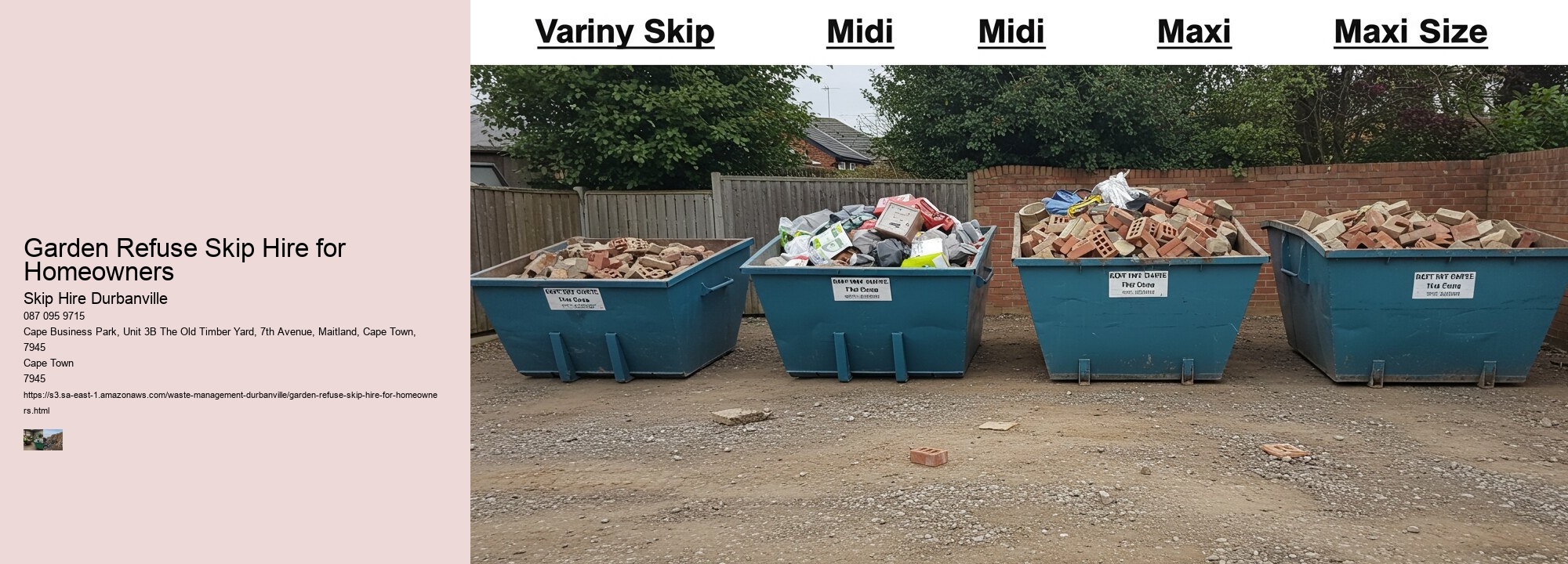
First, consider the scope of your project. Smaller projects, such as trimming hedges or clearing flower beds, may only require a mini skip. These skips are compact and perfect for minor garden waste (like leaves and small branches). Theyre also easier to place in tighter spaces, making them an ideal choice if you have limited driveway space.
For medium-sized projects, such as removing old shrubs or tackling an overgrown garden area, midi skips might be more suitable. These provide ample space without being overly large and can handle moderate amounts of soil, plant material, and general refuse. Its always best to err on the side of caution and opt for slightly more capacity than you think youll need-nothings worse than running out of space halfway through!
Larger projects-perhaps involving landscaping work or tree removal-will likely necessitate a maxi skip. With their generous capacity, these skips accommodate substantial volumes of heavy materials like soil and wood. Remember that while it might be tempting to save money by choosing a smaller skip initially, having to order an additional one later can end up costing more both in time and finances.
Moreover, its important to be aware of local regulations regarding skip placement (especially if it needs to sit on public property). Some areas require permits which could influence where you decide to position it. Consulting with your chosen skip hire company can provide valuable insights into these logistics-they often have experience navigating such requirements efficiently.
Ultimately, selecting the right size for your needs comes down to understanding the scale of your task and planning accordingly. By doing so thoughtfully (and maybe even consulting with professionals), you can ensure that your garden refuse management is seamless from start to finish!
Understanding Permits and Regulations
Understanding permits and regulations for garden refuse skip hire is a crucial aspect of waste management for homeowners. When planning to undertake a significant gardening project, one often ends up with a substantial amount of green waste (such as branches, leaves, and soil). To dispose of this efficiently, many opt for hiring a skip bin. However, the process isnt as straightforward as merely ordering a skip and having it delivered to your driveway.
Firstly, its essential to understand that local councils have specific rules regarding the placement and use of skips. If you intend to place the skip on public property (like streets or pavements), you will likely need a permit from the relevant authorities. This regulatory step ensures that public spaces remain safe and accessible for everyone. The cost of these permits varies depending on your location, so its wise to check with your local council beforehand.
Moreover, regulations also dictate what can be disposed of in these skips. While garden refuse primarily includes organic materials such as grass clippings and hedge trimmings, there are restrictions on items like hazardous chemicals or electronic waste (!). Mixing prohibited items with your garden refuse can lead to fines or additional charges from the skip hire company.
Another consideration is the environmental impact. Many regions have strict recycling targets (and rightly so), which means certain types of waste must be separated before disposal. Some areas offer dedicated green waste collection services that may reduce the need for a large skip altogether by providing scheduled pickups.
Furthermore, homeowners should be aware of weight limits imposed by skip hire companies. Overloading a skip not only violates terms but could also pose safety hazards during transport. Its crucial to communicate with your service provider about expected volumes and types of waste before finalizing arrangements.
In conclusion, while hiring a skip for garden refuse seems like an easy solution at first glance, understanding permits and regulations is vital to ensure compliance with local laws and environmental standards. By taking these steps into account early in your project planning stage, you can avoid unexpected costs or legal issues while contributing positively towards sustainable waste management practices in your community!
Tips for Efficiently Using Your Skip
Skip hire can be an invaluable resource for homeowners looking to manage their garden refuse efficiently. Whether youre undertaking a major landscaping project or simply conducting routine garden maintenance, utilizing your skip effectively can save time and effort (not to mention keep your garden looking pristine). Here are some essential tips for making the most out of your garden refuse skip hire.
Firstly, planning is key. Before hiring a skip, assess the volume of waste you expect to generate. This will help you choose the right size of skip, ensuring you have ample space without overpaying for unused capacity. Remember that skips come in various sizes, ranging from mini skips suitable for small jobs to larger ones that can accommodate extensive clear-outs.
Once youve determined the appropriate size, think about where to place your skip. Ideally, it should be positioned as close as possible to your work area to minimize the distance youll need to carry heavy loads (which can significantly reduce fatigue!). Additionally, check local regulations regarding skip placement on public property like roads or sidewalks; you may require a permit in some cases.
When it comes time to fill your skip, practice efficient loading techniques. Start by placing flat items such as branches or planks at the bottom; this creates a stable base and maximizes space utilization. Next, layer larger items like tree stumps or bulky shrubs toward the middle while leaving smaller debris like leaves or grass clippings for last. This method ensures all available space is used effectively and prevents voids from forming within the load.
Another useful strategy is breaking down large objects before discarding them into the skip. Cutting branches into smaller sections or trimming oversized plants not only helps in fitting more waste but also makes handling easier and safer (after all, safety first!). Consider using tools like loppers or pruning saws for this purpose.
Its also crucial to be aware of what cannot go into a garden refuse skip. Hazardous materials such as pesticides or chemicals are generally prohibited and must be disposed of through designated channels. Similarly, be mindful of weight limits associated with different skip sizes; exceeding these could incur additional fees or even damage removal vehicles.
Finally, consider recycling opportunities whenever possible! Compostable materials like leaves and grass clippings can be turned into nutrient-rich compost instead of being tossed away. Alternatively, check if local recycling centers accept certain types of green waste-it's an eco-friendly option that supports sustainability efforts in your community.
In conclusion, efficiently using your garden refuse skip requires thoughtful planning and execution but offers great rewards in terms of convenience and environmental responsibility. By selecting the right size, positioning correctly, loading strategically, adhering to regulations-and considering recycling options-you're setting yourself up for success in maintaining a beautiful outdoor space with minimal hassle!


